(No reproduction of this material can be used without permission)
This episode will take you to two iconic National Parks and a bonus trip to the summit of Pikes Peak! Beautifully written entries by Alexander Davidson, a traveling preacher and singer, will make you feel as if you were there with him. His visit in 1905 was in an era when the Parks were far more untamed than present day. Transportation was much slower, guest services far less refined, boundaries less established, but the natural wonders and beauty were there to be seen and experienced by those brave enough to visit!
(To hear this episode scroll to the bottom)
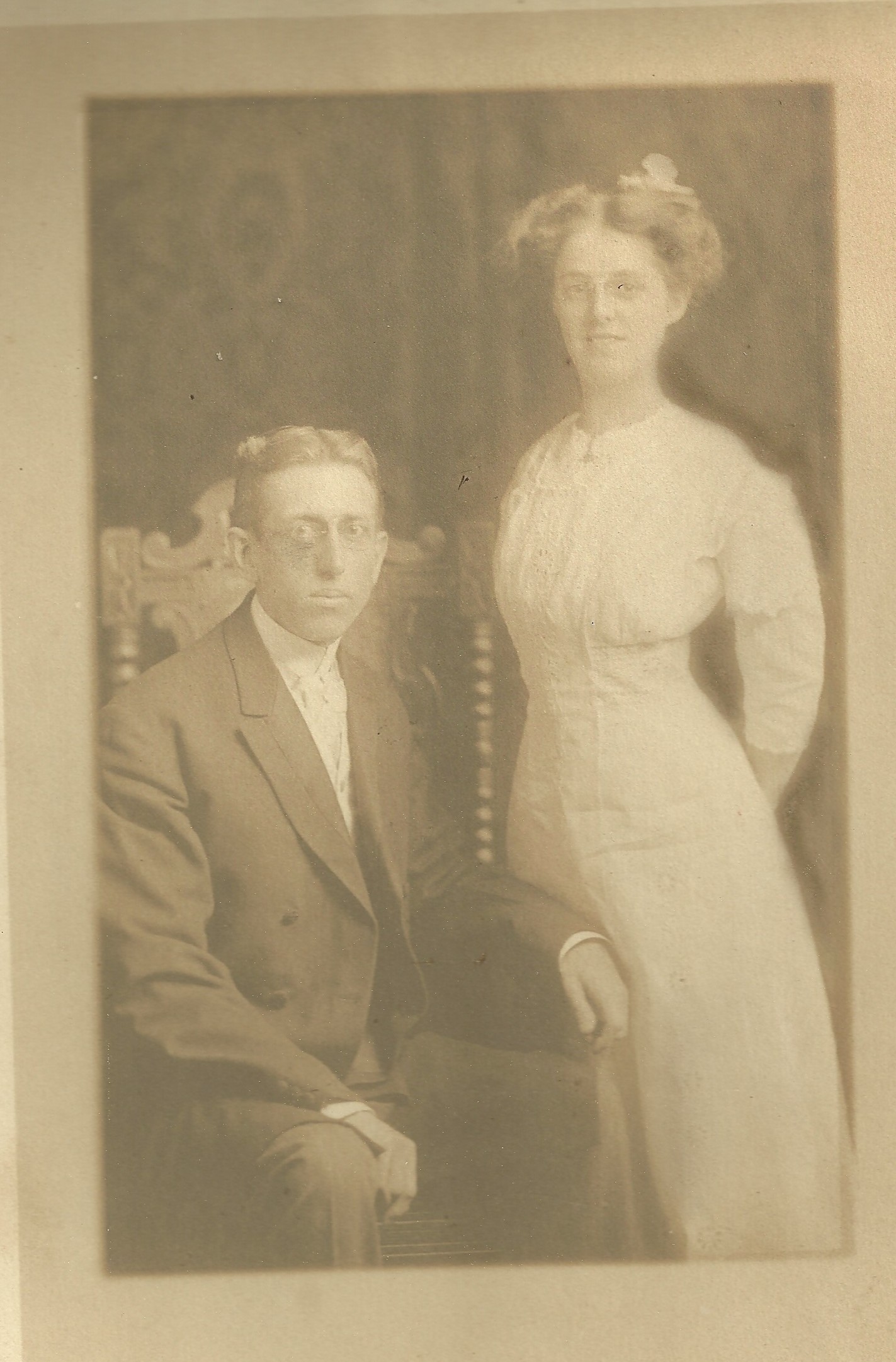
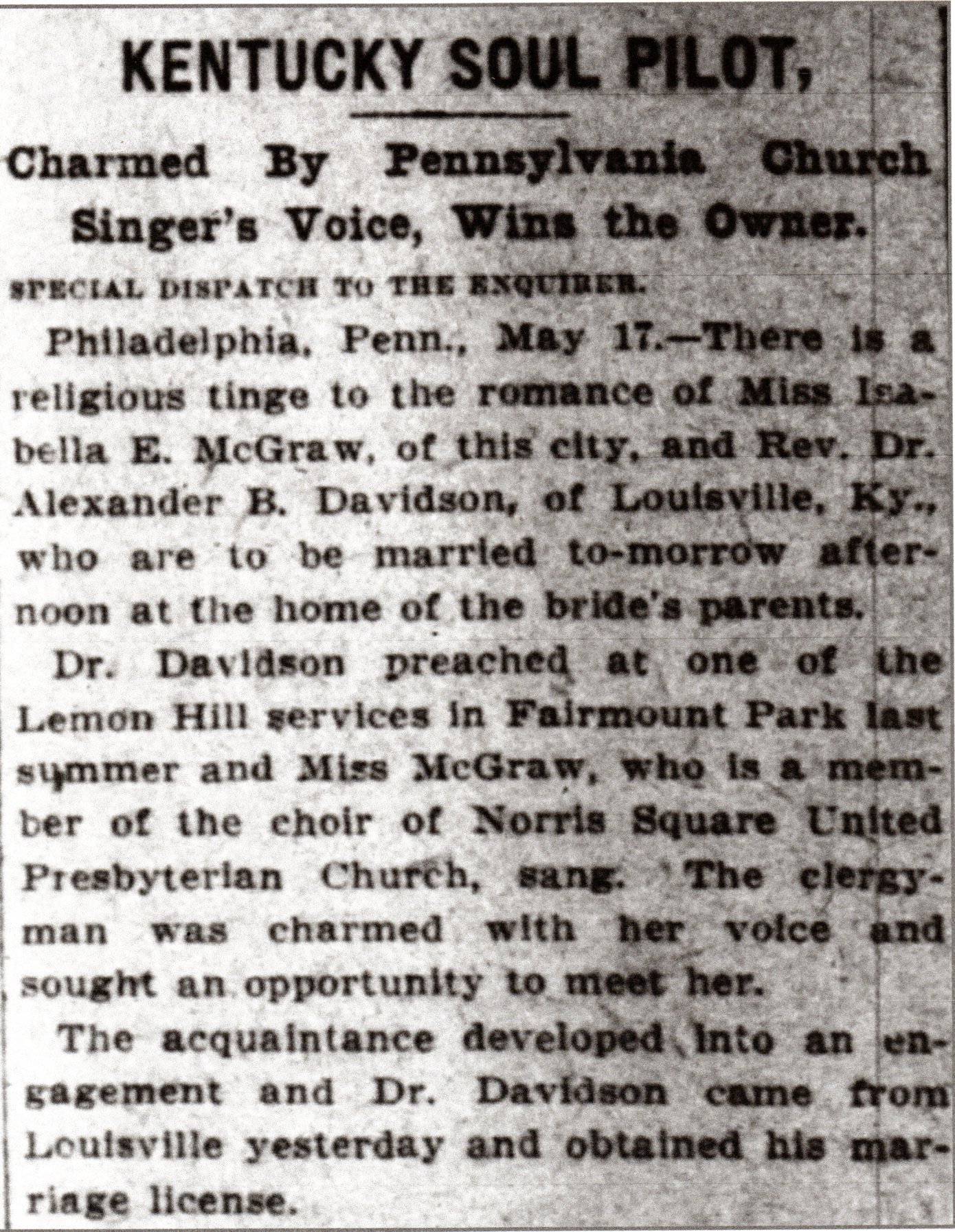
Reverend Alexander Barklow Davidson and his wife Isabel McGraw.
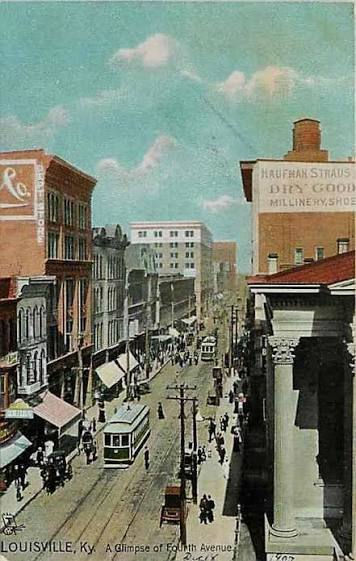
Louisville Kentucky, Alexander’s Home Town in 1905
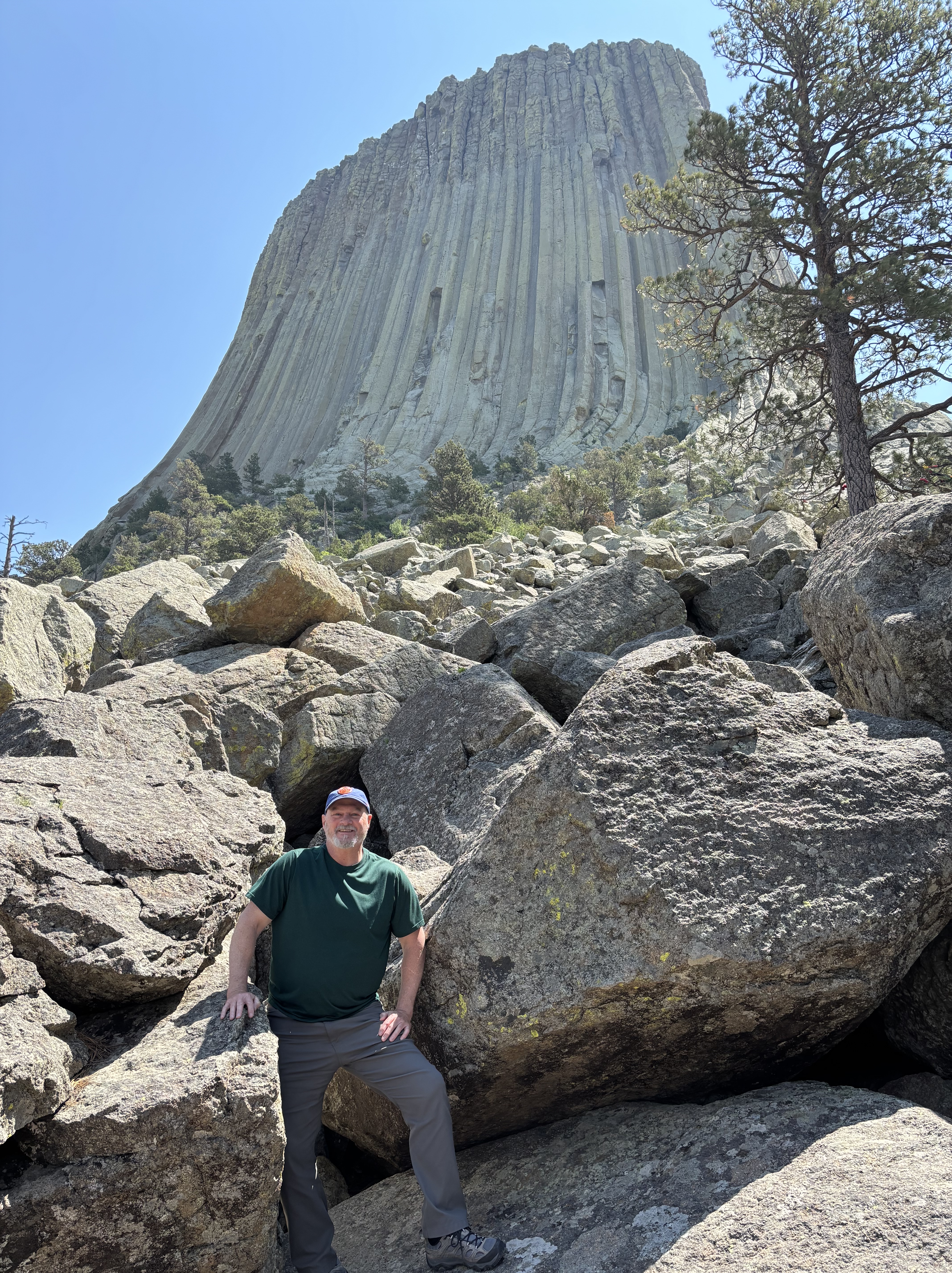
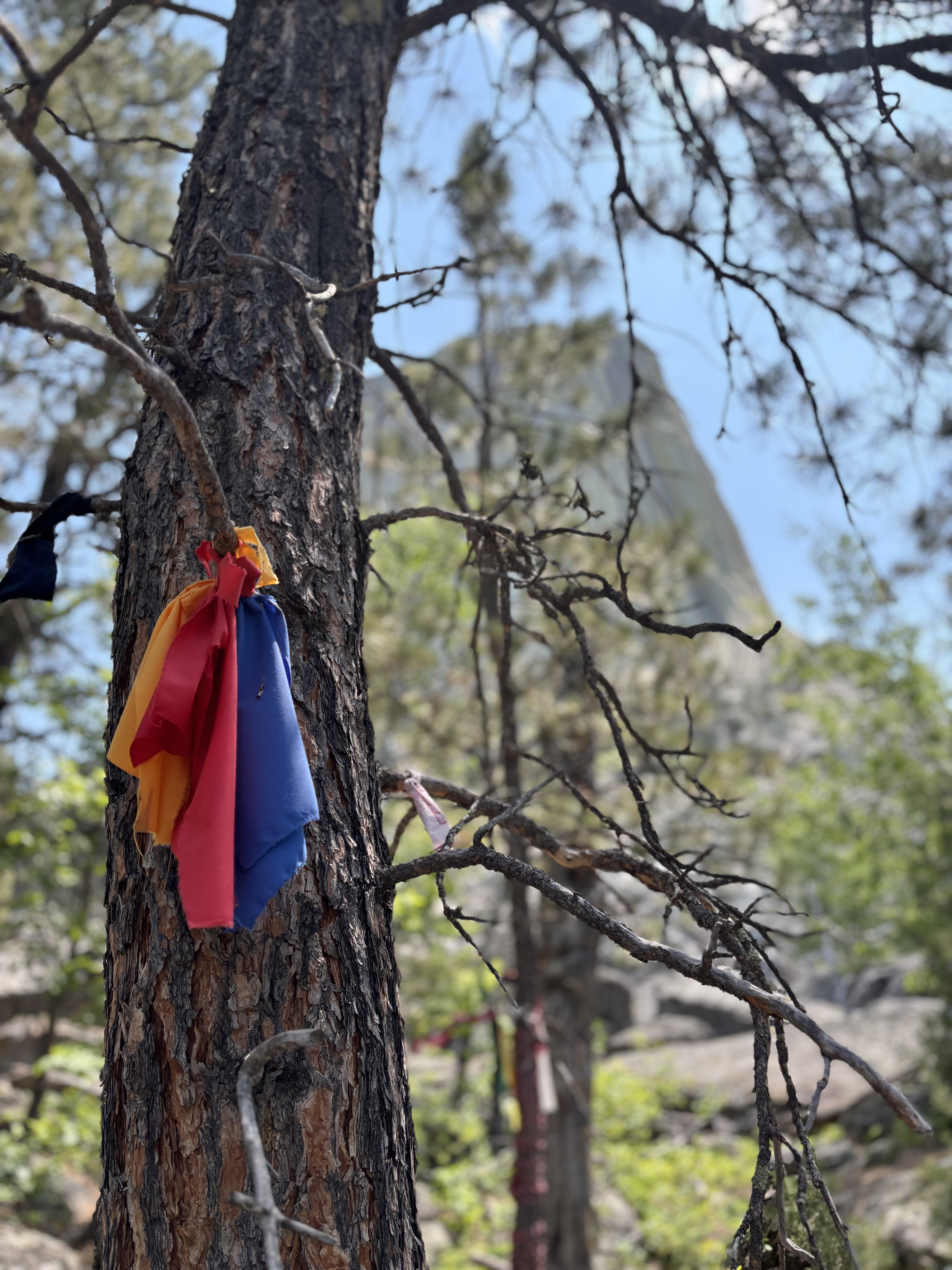
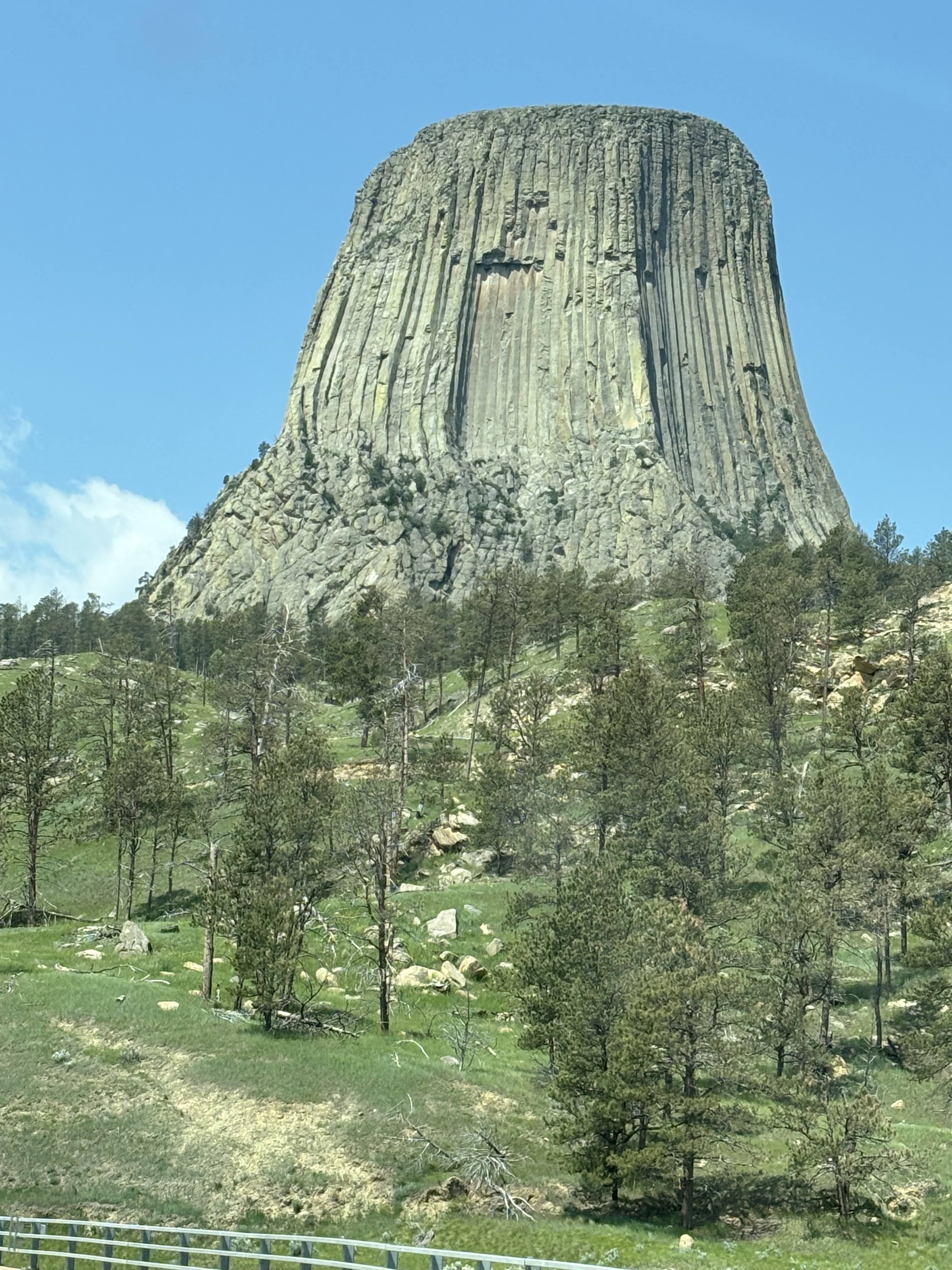
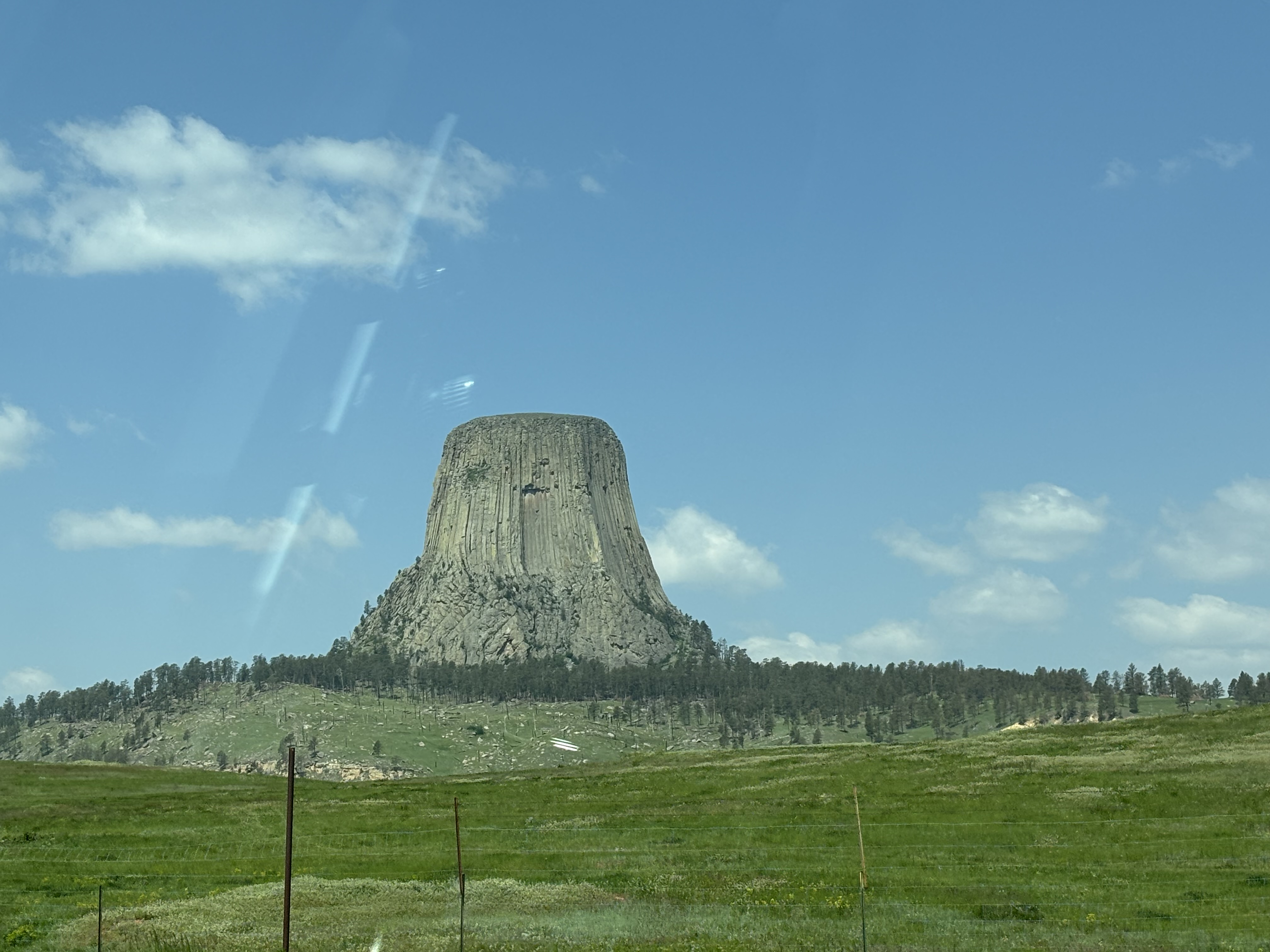
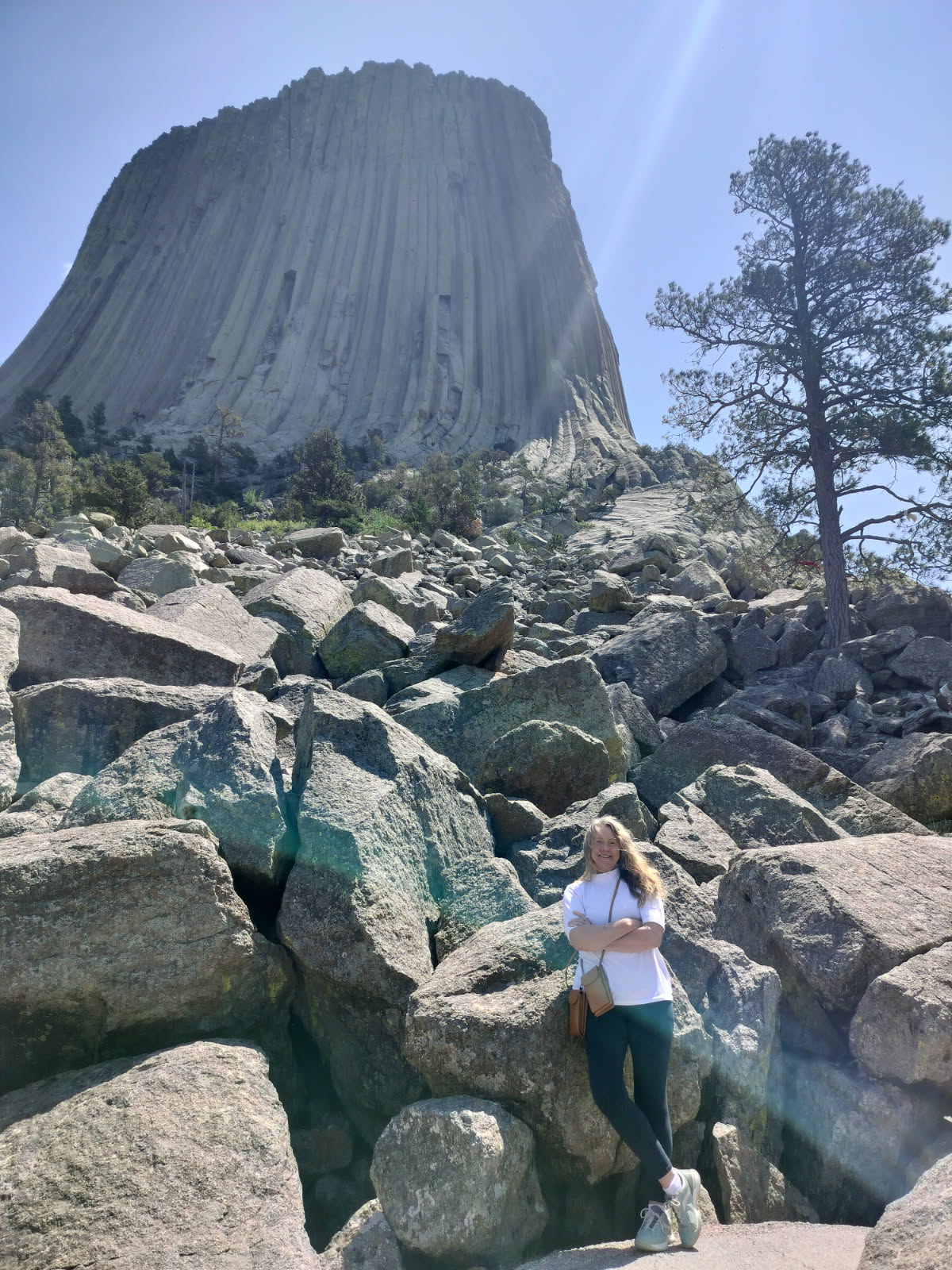
Our trip to Devil’s Tower in June of 2025.

“July 5th,1905……At about half past five o’clock we sighted the Rockies uplifted like a mighty wall against the Western Sky.” Alexander Barklow Davidson.
ROLLINS PASS, COLORADO
The website below is called, 4×4 Explore and it gives you some great “then and now” photos of Rollins pass and also the history of the area.
https://www.4x4explore.com/rds/r_rds/rollins_ps_w.html
Rollins Pass as you can see, has some fascinating history, more than what we could share on our episode. On Wikipedia’s page, in the link shown below, there’s an amazing graph that shows Railroad Runaways, Wrecks, Derailments, & Accidents on Rollins Pass starting in 1909, all the way through to 1925. There are 40 incidents!!!
https://en.wikipedia.org/wiki/Rollins_Pass
GEORGETOWN LOOP
Click “Our History” below to learn more about the loop.
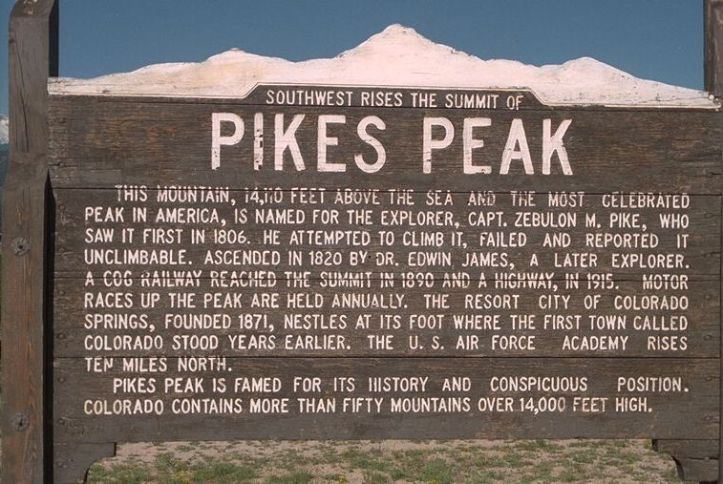
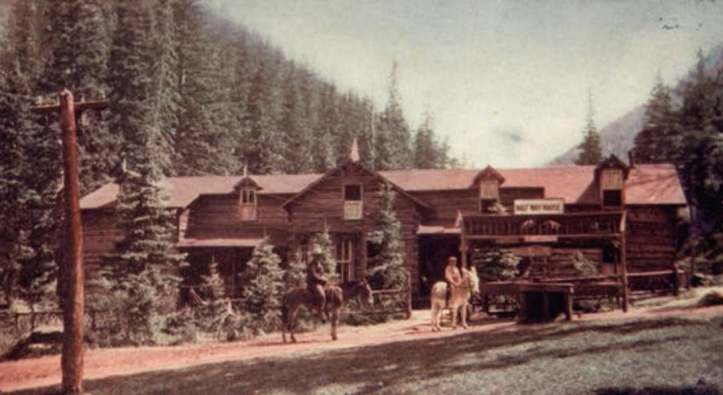
The Halfway House on Pikes Peak.
It was a 22-room log hotel situated at mile marker 3 along the Manitou and Pikes Peak Cog Railway in Englemann Canyon, Colorado. Operating until 1923, it served as a popular midway stop for hikers and tourists making the ascent.

This fabulous photo above was posted on the web by a Reddit member whose site is, “The Way We Were.” It shows a Pikes Peak burro excursion at Manitou Springs, about 1908. Remember our author, Alexander writes,
“July 11th, 1905…..The faithful little burros kept trudging on toward the summit.”
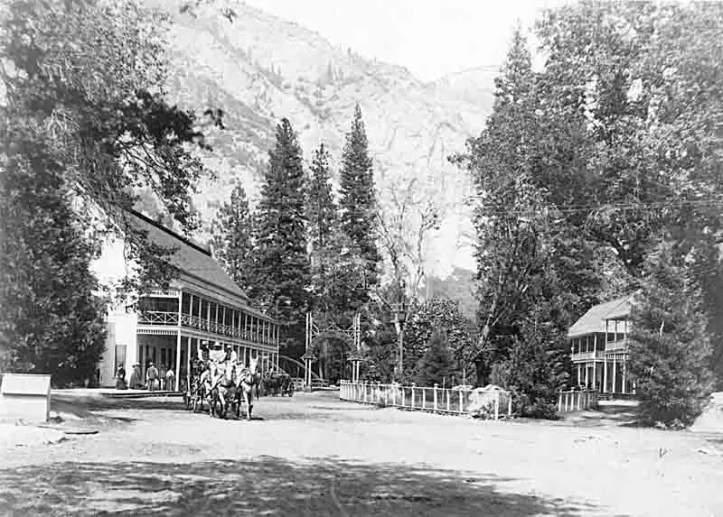
Sentinel Hotel Yosemite Valley
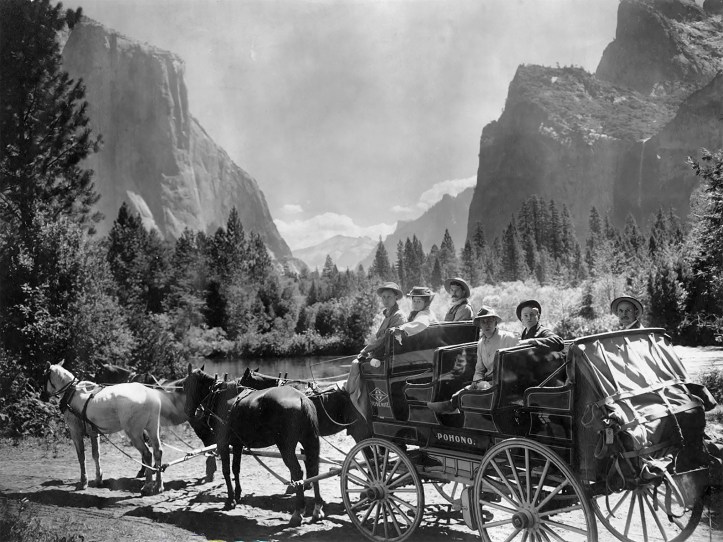
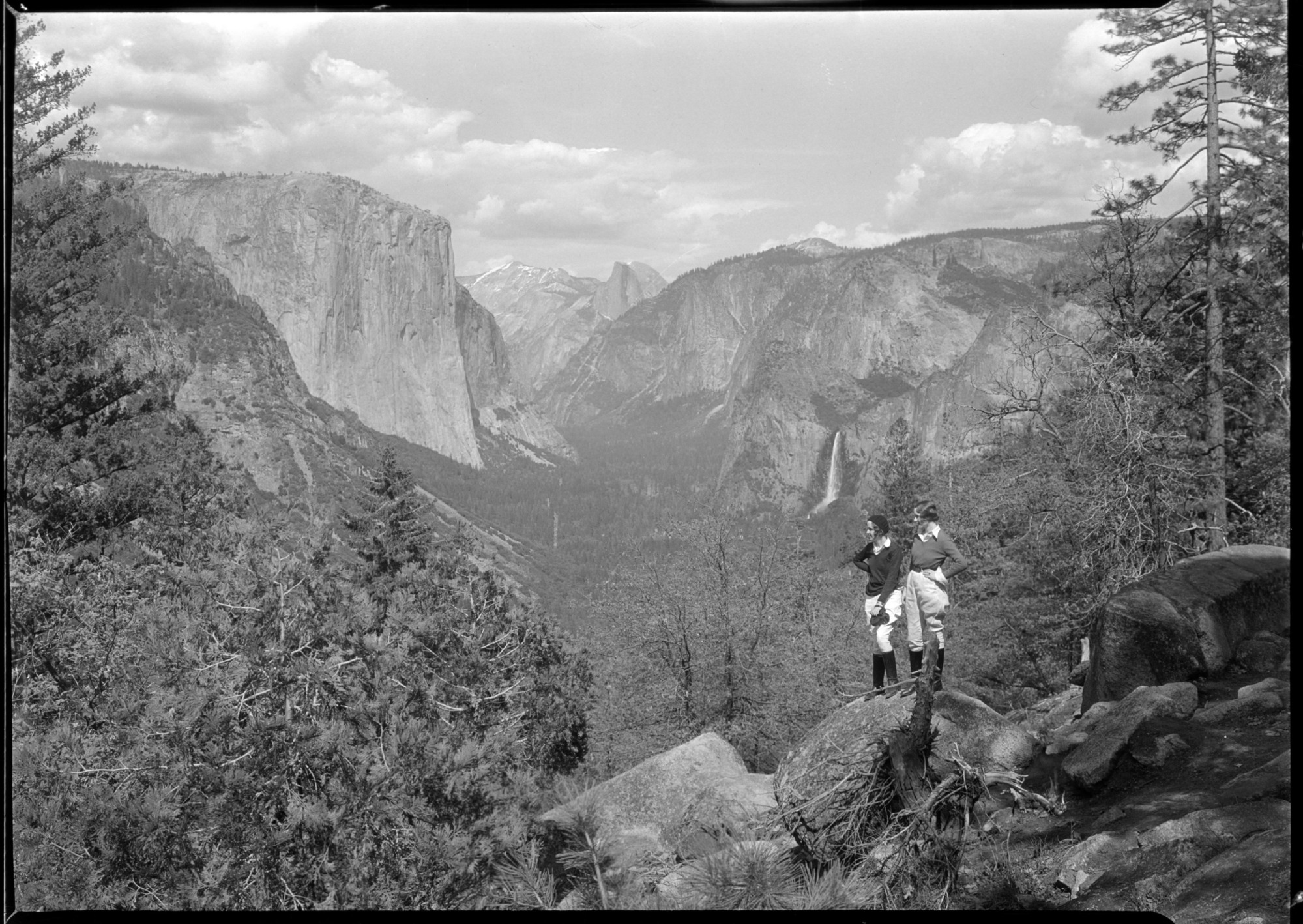
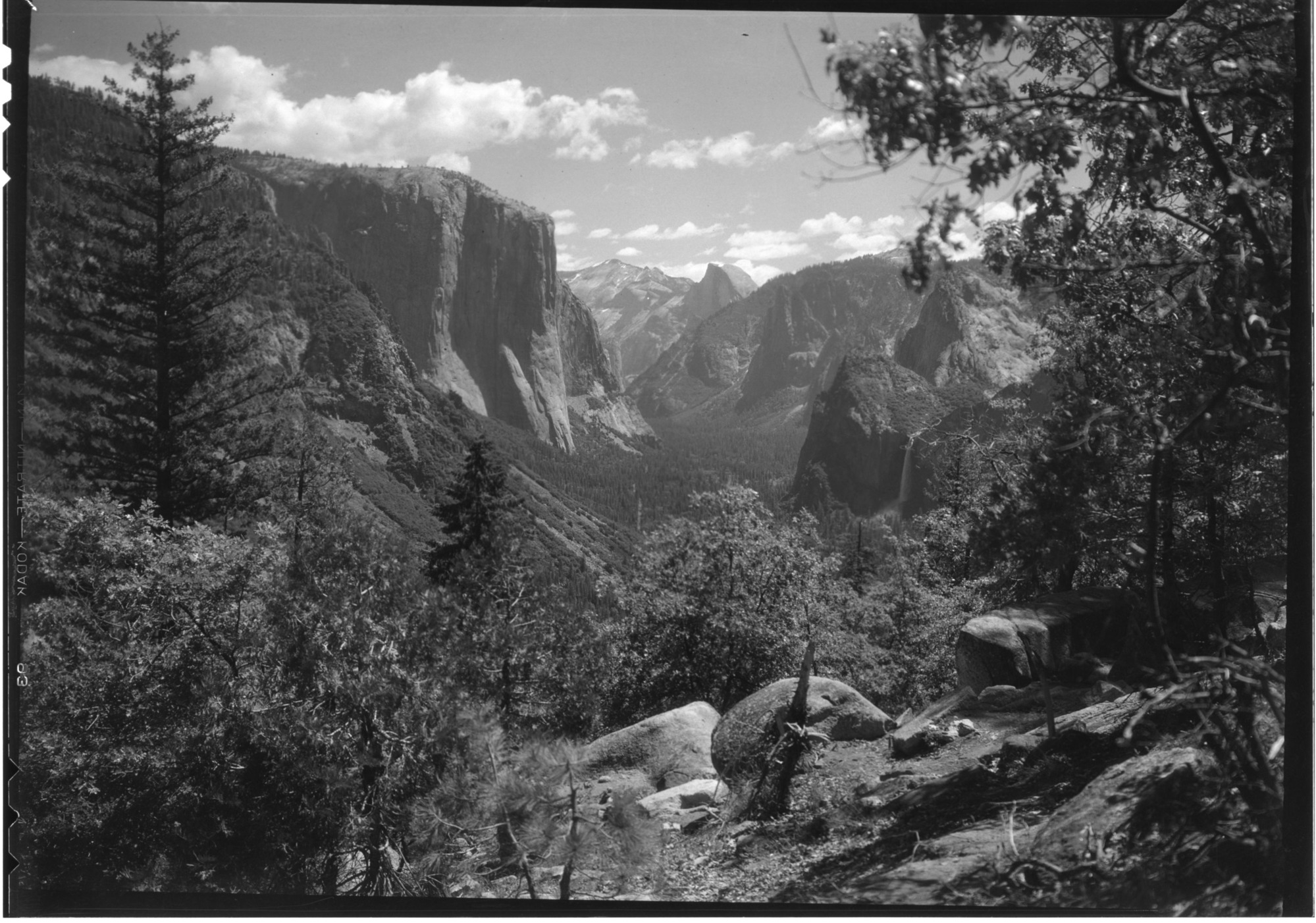

All of these photos above were taken from the National Park Service Website. The photos are early 1900’s shots taken from Inspiration Point, Yosemite Valley. Alexander writes,
“July 18th,1905…..Shortly before noon we reached Inspiration Point and got our first glorious view of the incomparable valley. I shall never forget that magnificent panorama which lay before us of mountain and valley, leaping waterfall and placid river and peaks and domes and forest and sky. This first view is overpowering.”
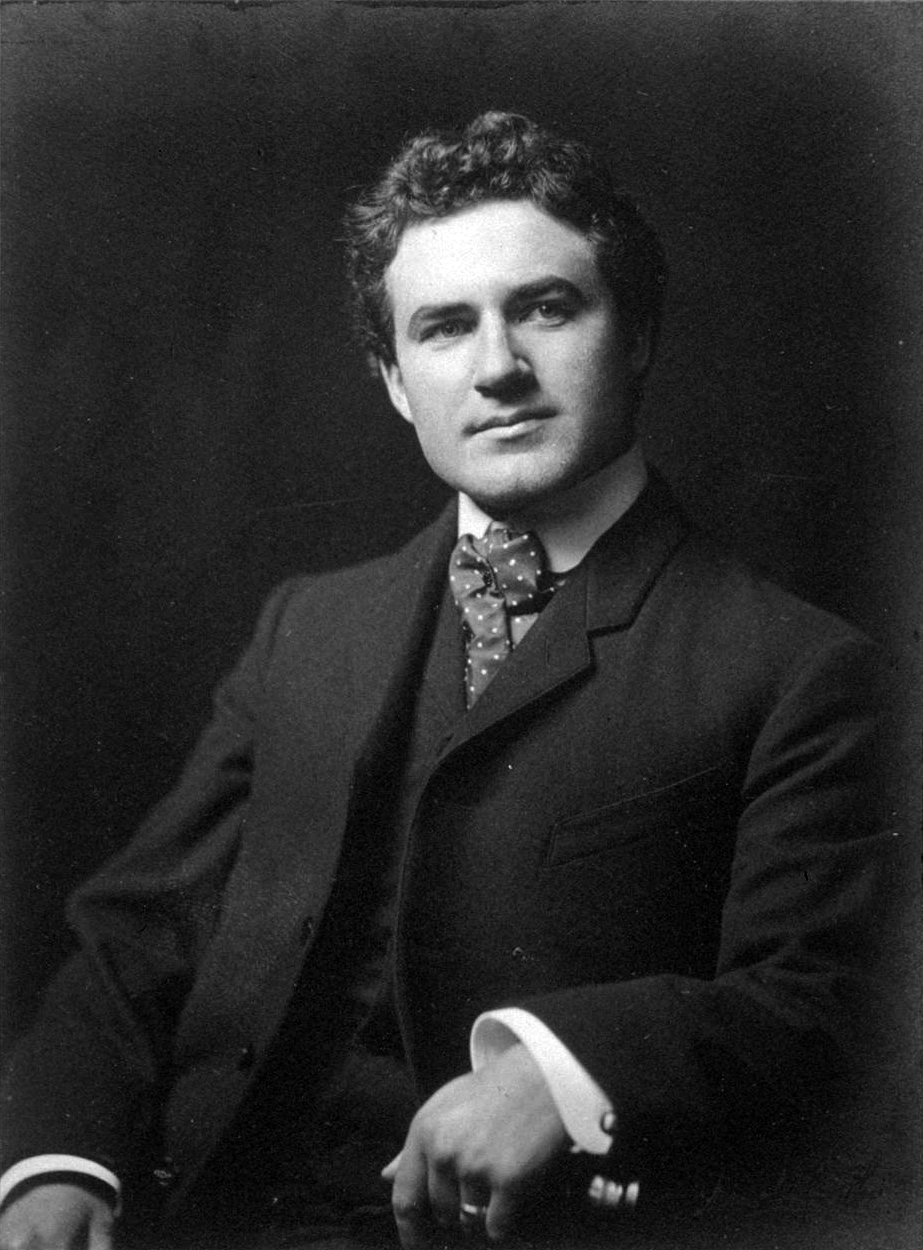
Herman George Scheffauer (February 3, 1876 – October 7, 1927) was a German-American poet, architect, writer, dramatist, journalist, and translator.
YOSEMITE
Thou hast Earth’s utmost beauty, mighty gem
of ice-wrought granite from the hand of God!
And never man thy purple deeps hath trod,
But he hath felt the awe that mantles them.
Thou art the loveliest poem of Nature; thou
Art Music, Mystery and Magnitude!
What eye e’re thy majestic glory viewed,
But wept and led the shaken soul to bow!
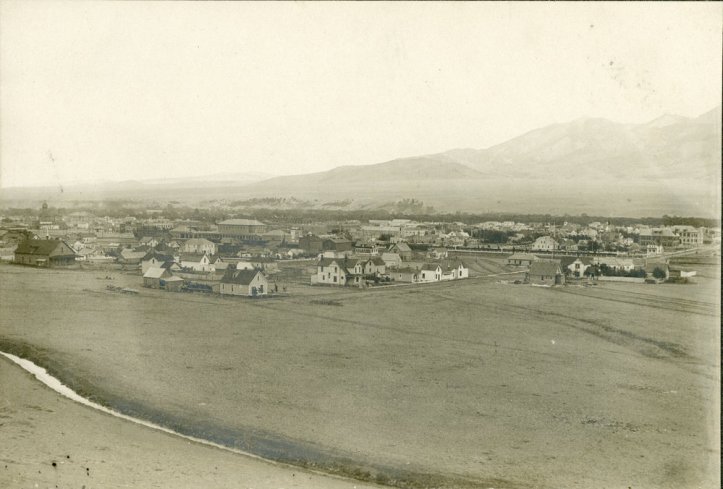
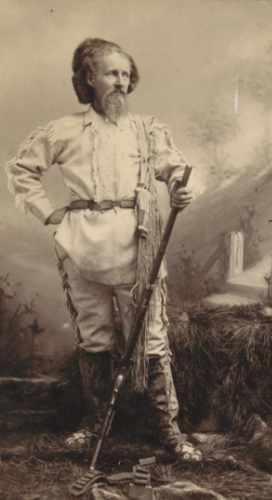
Yankee Jim Canyon, on the Yellowstone River, is named for James George (1841–1924), who arrived in Montana in the early 1860s. A native of Vermont (hence the “Yankee”), George was variously a hunter and prospector before squatting on land adjacent to the canyon in 1871. That same year, Bart Henderson and Adam “Horn” Miller built a wagon road through the canyon to provide access to the gold diggings in Cooke City and to Mammoth Hot Springs in what was soon to become Yellowstone National Park. George improved the road in 1873, declaring it the National Park Toll Road, and established a way station and toll booth at his ranch house. The Northern Pacific Railroad built a branch line through the canyon in 1883, and Park County purchased Yankee Jim’s toll road in 1893 for $1,000. The road was rerouted in 1912. Today the canyon is popular with kayakers and rafters

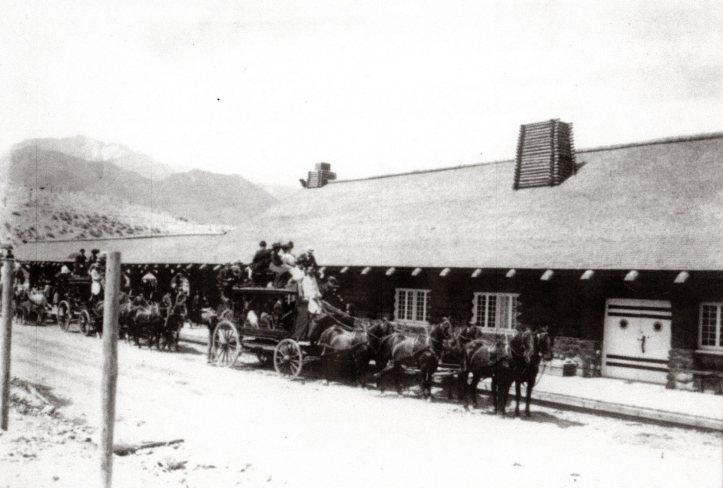
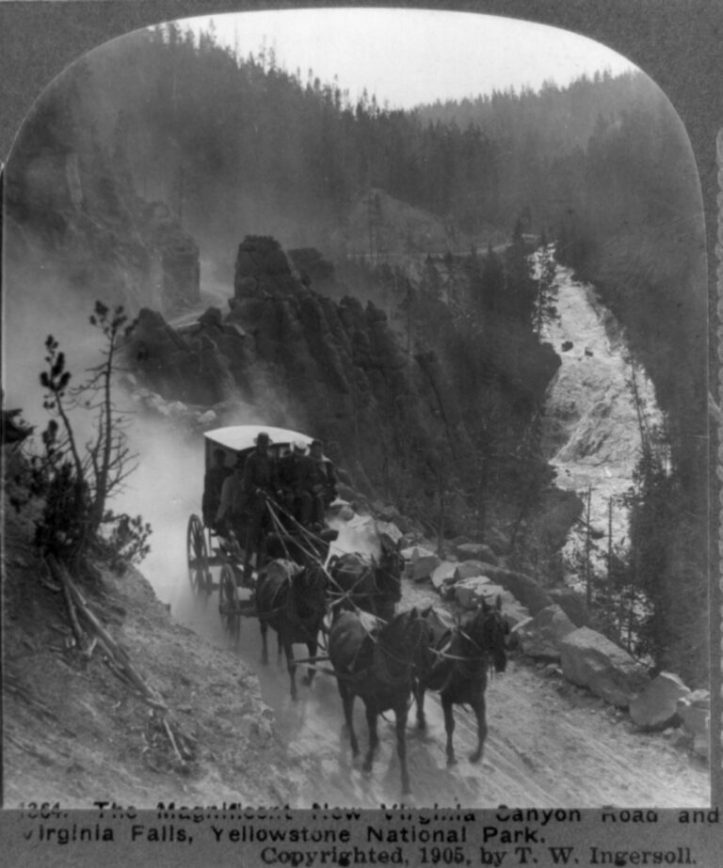
“August 31st, 1905…..10:15 Gardiner. Here we took the big six horse coaches through the Lava Gateway Arch……” Alexander Barklow Davidson.
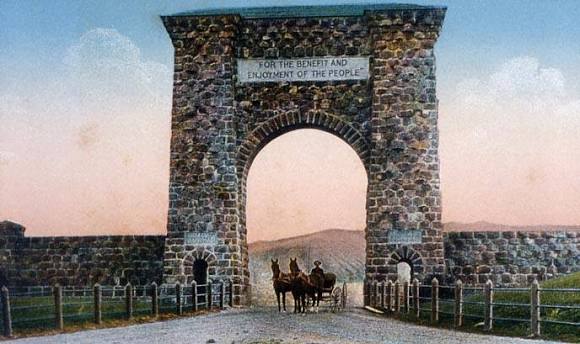
The following link is from Gardiner’s Historic Resources Survey group. It shows some incredible old photos of Gardiner along with the history of the area and town. It’s a PDF file.
https://npshistory.com/publications/yell/gardiner-hist-res.pdf
Below is the link for another 1905 diary that I briefly mentioned on this episode. The Wyoming State Museum owns this diary now. This is a FABULOUS site that not only shows you every page of this woman’s diary while she visited Yellowstone, but you can also listen to it!!! I can’t say enough how amazing it is. It’s titled, “A Journey Through Yellowstone in 1905.” The author was in Yellowstone the same year Alexander was. I’m not sure what month she was there, but oh my goodness, they could have easily crossed paths.
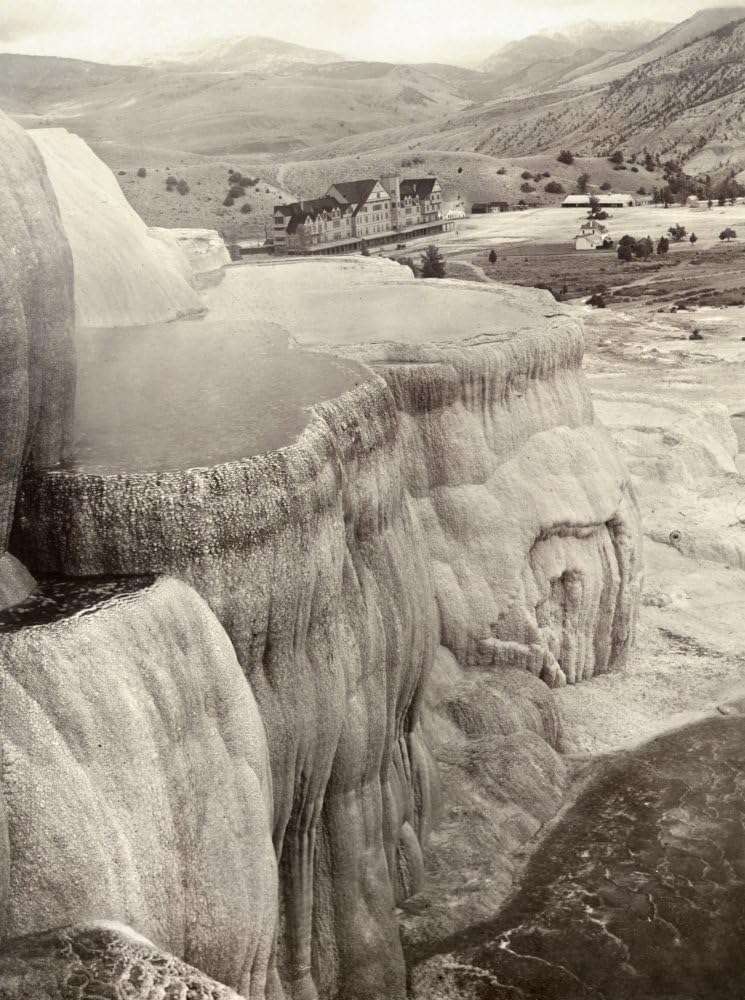
Minerva Terrace with Mammoth Hotsprings Hotel in the background. Circa 1890-1900.

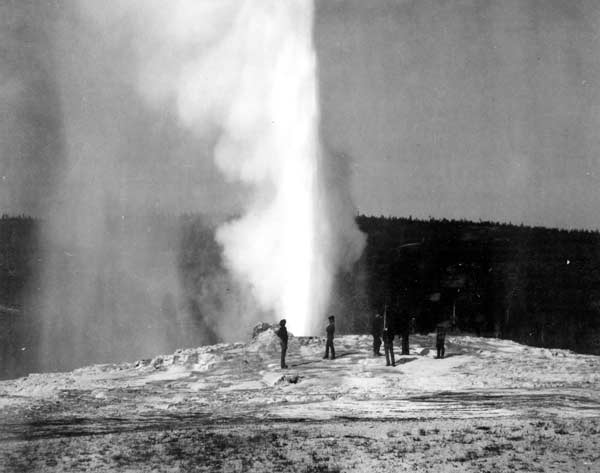
William Henry Jackson
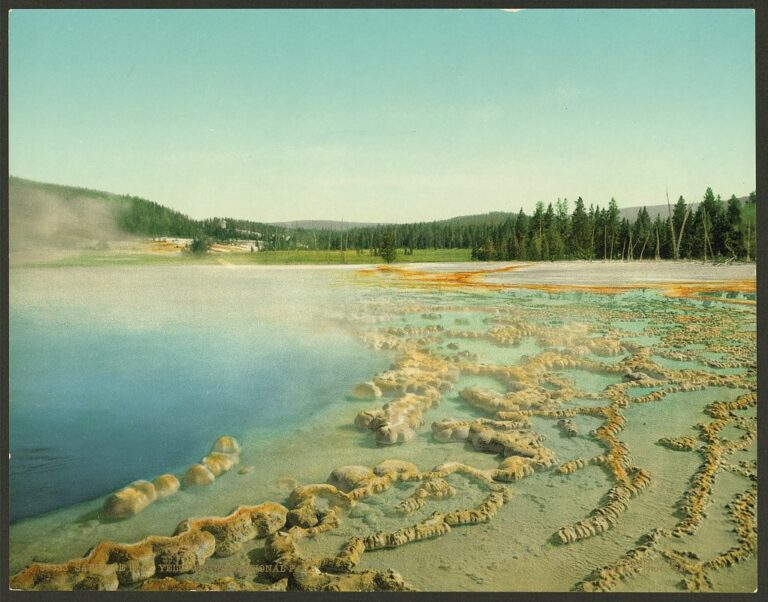

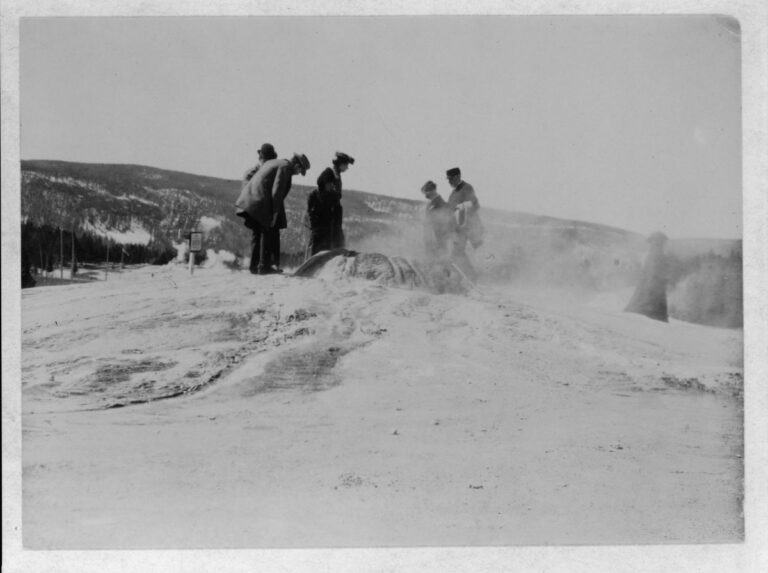
Various early 1900’s photos of the different Geyser’s Yellowstone had/has to offer.
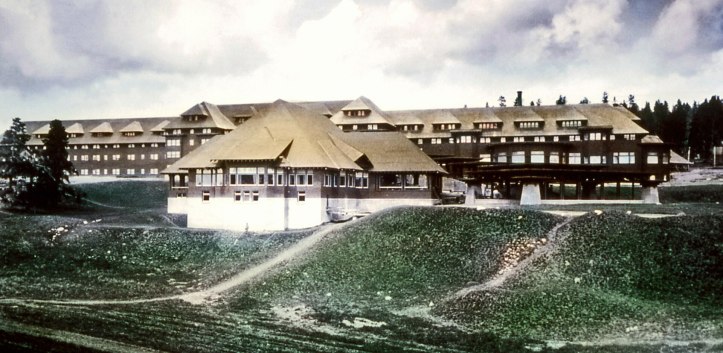
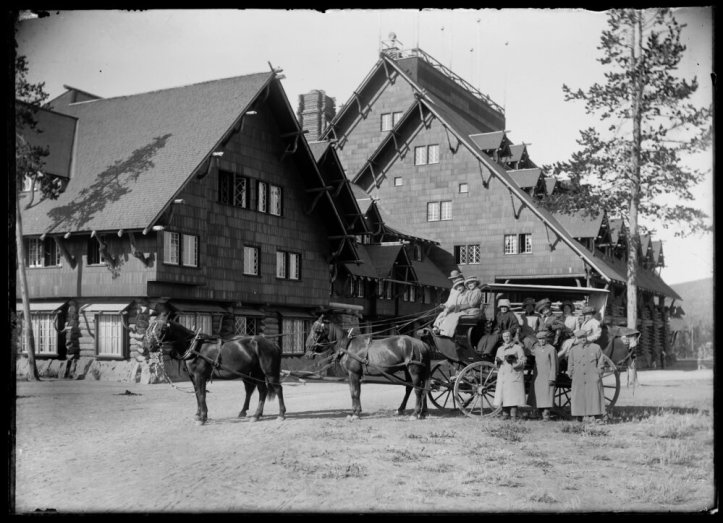
There were actually 3 hotels with this name in Yellowstone. The first was a crude building, built in 1896. The second one was the one Alexander is staying at and this one was built in 1890. This hotel was located on the hill above the Grand Canyon, near where the current Xanterra horse operation is operated. The building contained 250 guest rooms and featured steam heat. Problems with the foundation necessitated repairs in 1896 and 1901. Twenty-four rooms were added in 1901. The hotel was in operation until 1911 when it was incorporated into the construction of the new Canyon Hotel, the 3rd. You can see wonderful photos of all of these hotels at the following website:
https://www.geyserbob.com/canyon-hotel-lodges
LOOKOUT POINT – YELLOWSTONE
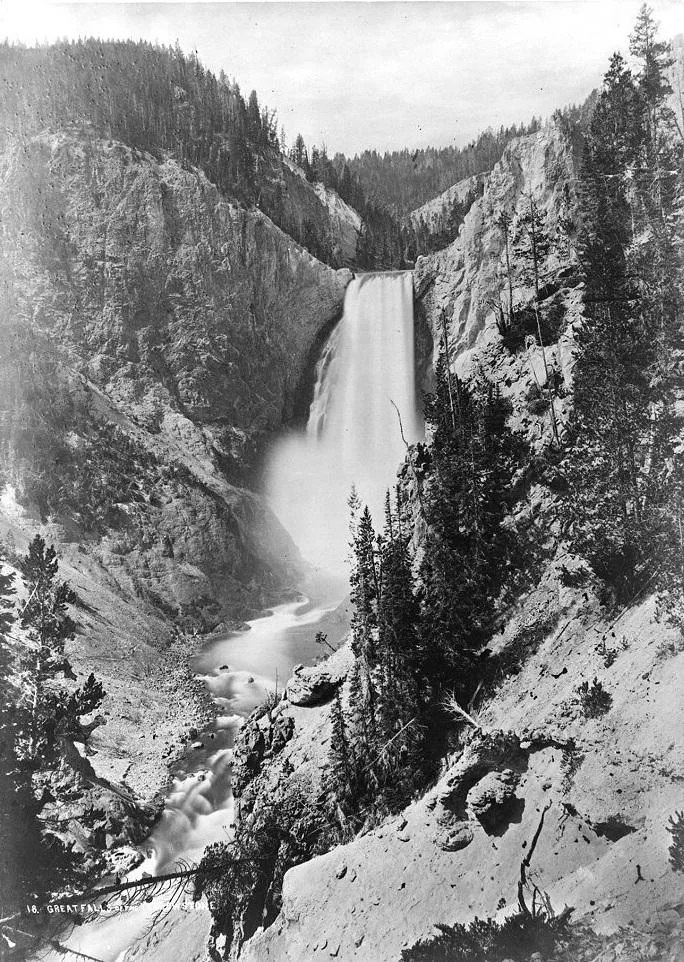
The location provided the vantage point for the first photograph of the Lower Yellowstone Falls taken in 1871 by William Henry Jackson during the Hayden Expedition. Early on it was also widely believed to be the spot where painter Thomas Moran sketched parts of his famous 1872 painting that helped convince Congress to establish Yellowstone National Park. But it is now believed the spot Moran made sketches for his iconic painting “The Grand Canyon of the Yellowstone,” were done at Moran Point.
Because the panoramic view of the 308-foot Lower Falls was so popular, Park Superintendent Philetus W. Norris officially built a safety railing there in 1880, formally cementing the name Lookout Point.
Tourist Access: In the early 1900s, visitors arrived by horse-drawn stagecoaches or via the expanding railroad system (such as the 1908 Union Pacific line at West Yellowstone) before transitioning to automobiles. Once at the canyon, early tourists enjoyed the overlook before braving the steep, newly constructed Uncle Tom’s Trail into the canyon.
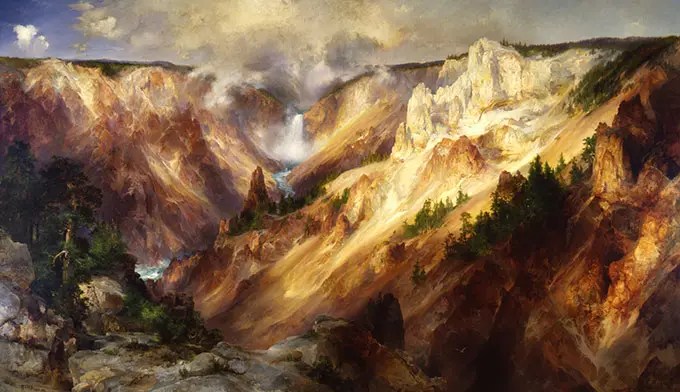
1872 Painting by Thomas Moran
In Yellowstone National Park, “Artist Point”, “Inspiration Point,” and “Lookout Point” are famous viewpoints in the Grand Canyon of the Yellowstone. By 1900, these spots were popular tourist stops. They were named after the painters who helped make Yellowstone a national park. There are thousands of pictures of and from these three Points that Alexander hiked to during his 1905 adventures. His description, in his own words, from his entry on September 5th, really says it best. So I must stop here and if you haven’t heard that full entry from this episode, # 68, here’s a little teaser…..
“September 5th, 1905…..After lunch we put in the afternoon on foot. we first skirted the edge of the canon (canyon) stopping at Lookout Pt., Grand View Pt. and Inspiration Pt…..I am more fascinated with this whole region than ever. Now after careful study and giving the lecture so many times, I come to the review of the four with a sense of ownership. All the beauties of this wondeful region are mine…..”
Later on that day he hikes to Artist’s Point which couldn’t be a more fitting way to end his exciting 2 month trip to this “Untamed Magesty”, Amercia’s frontier….
To Hear This Episode:
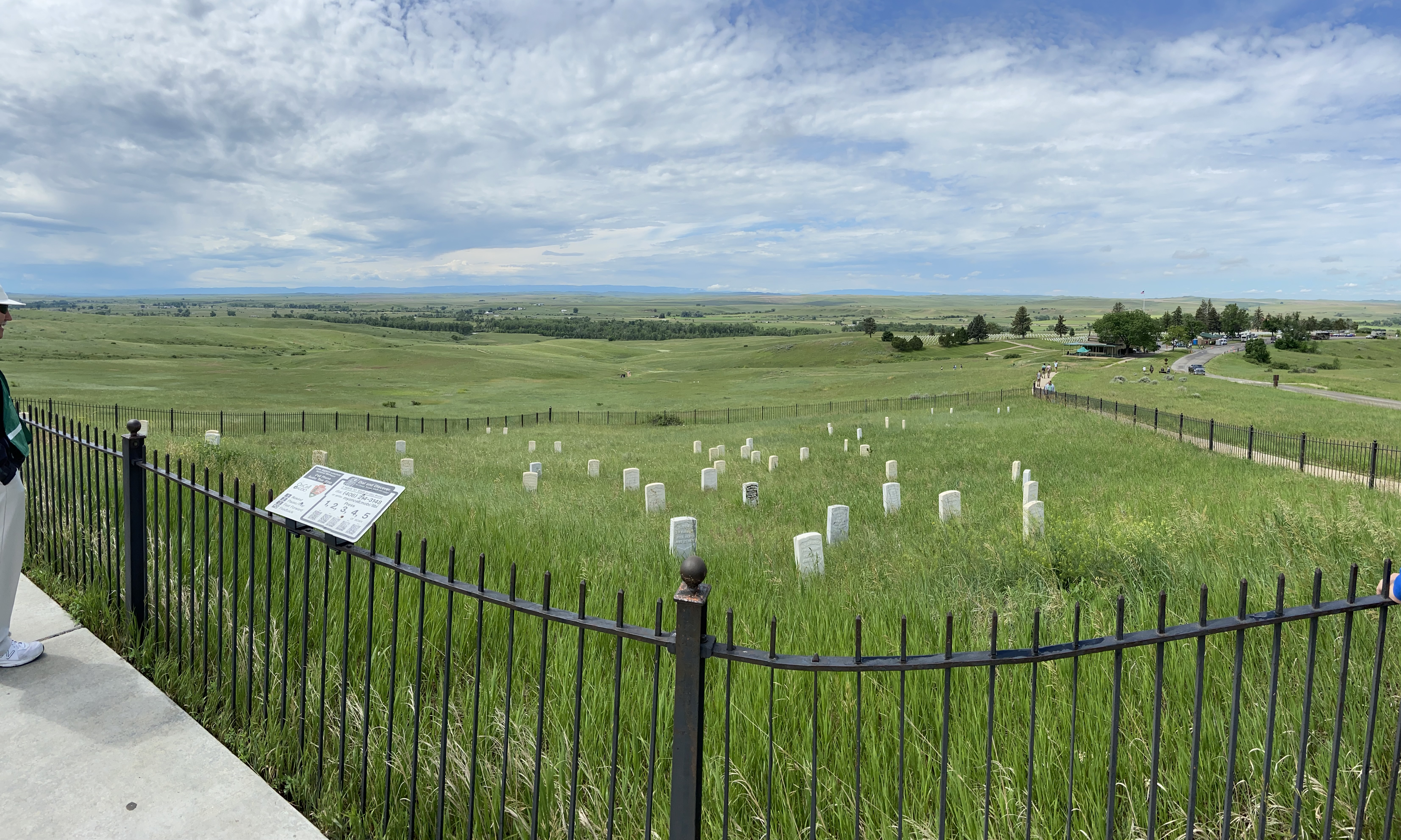
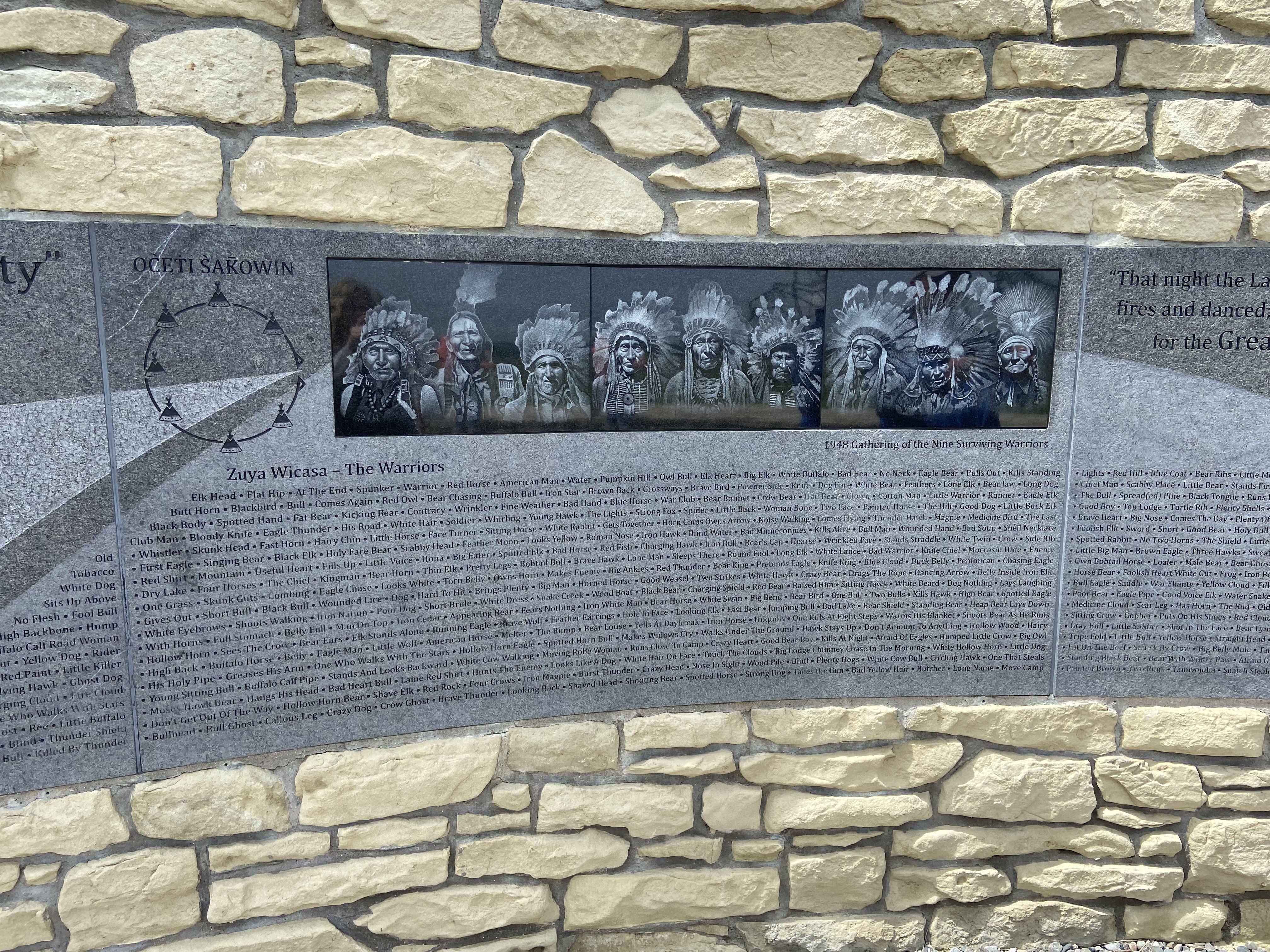
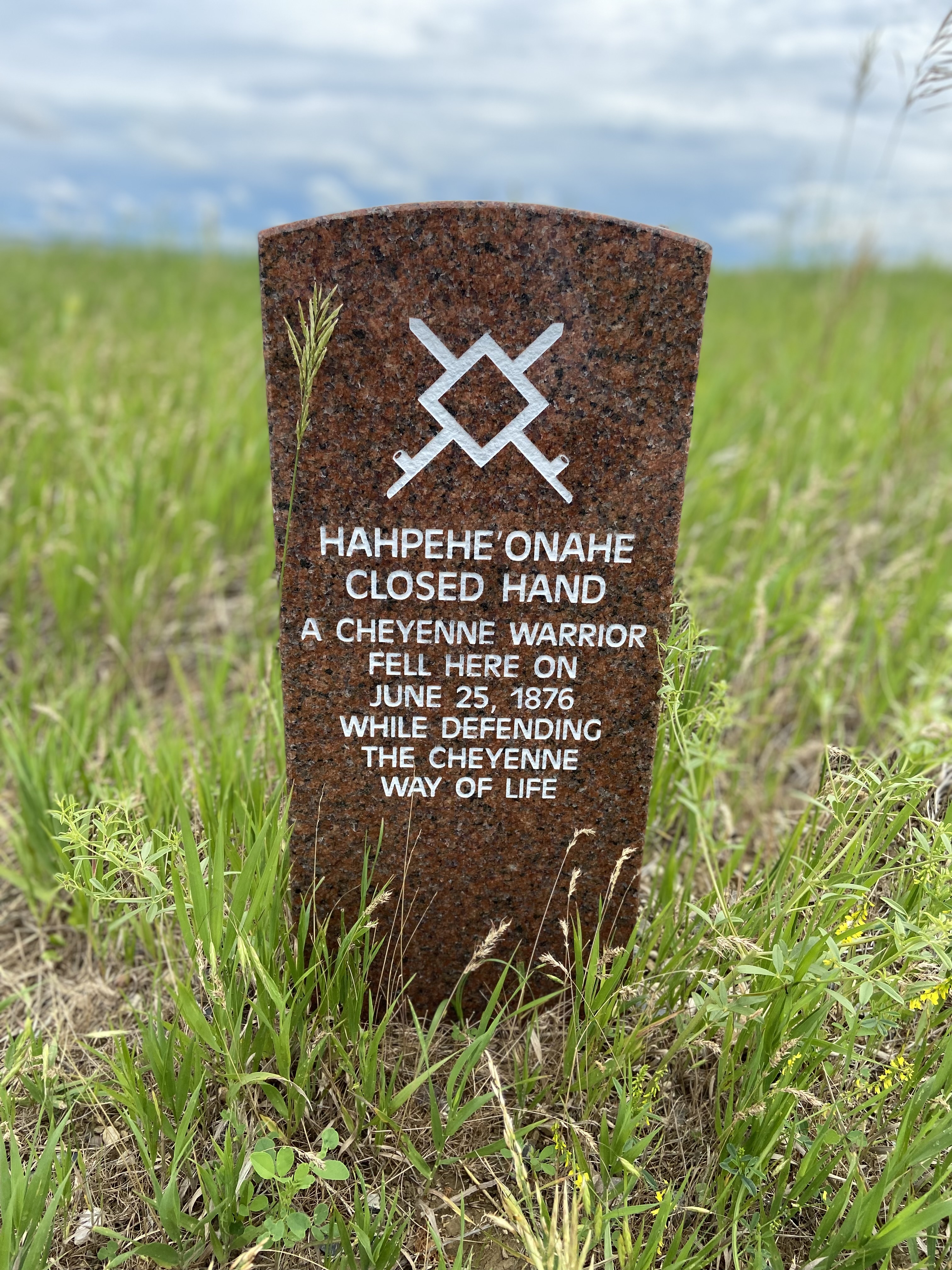
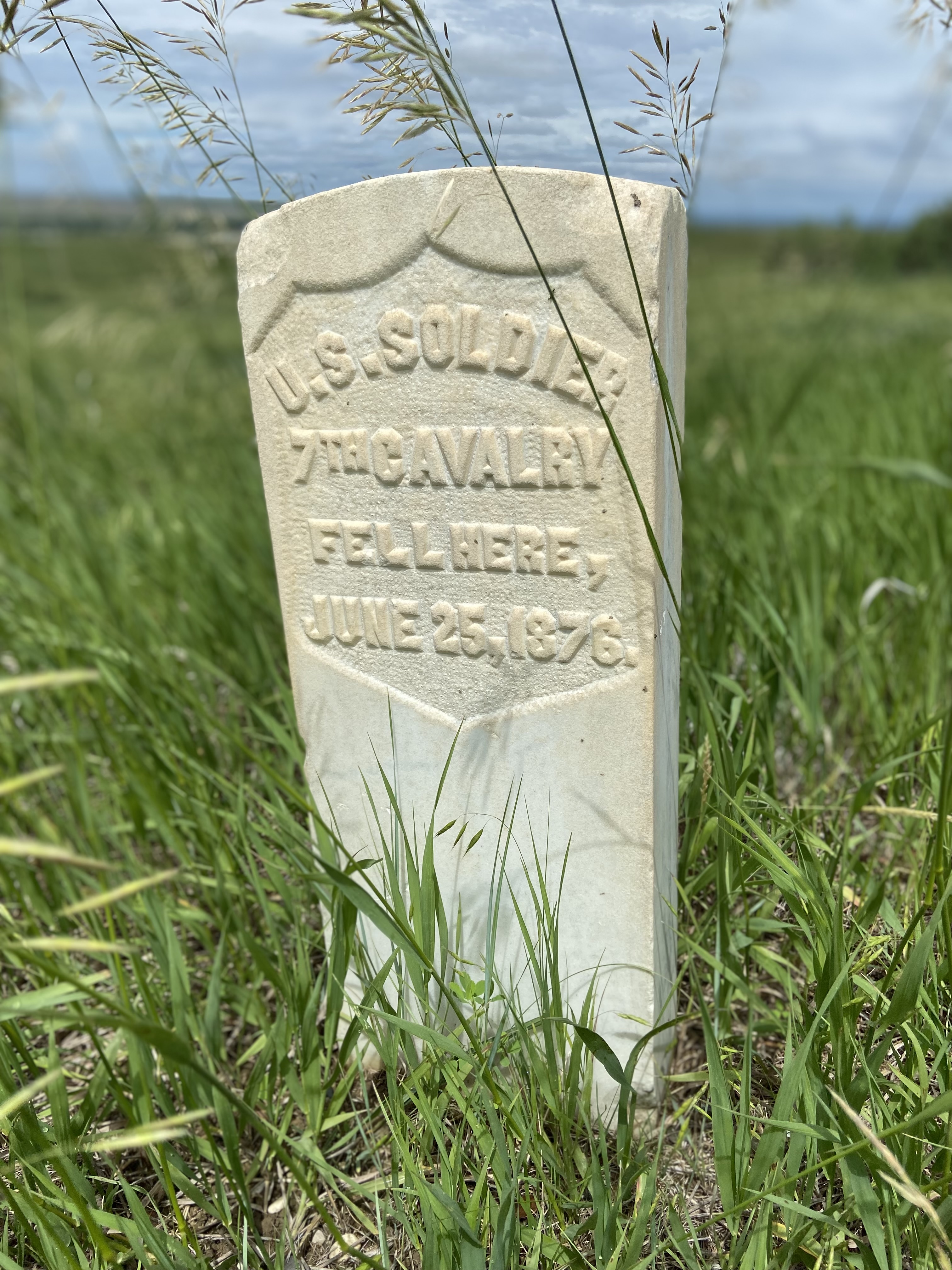
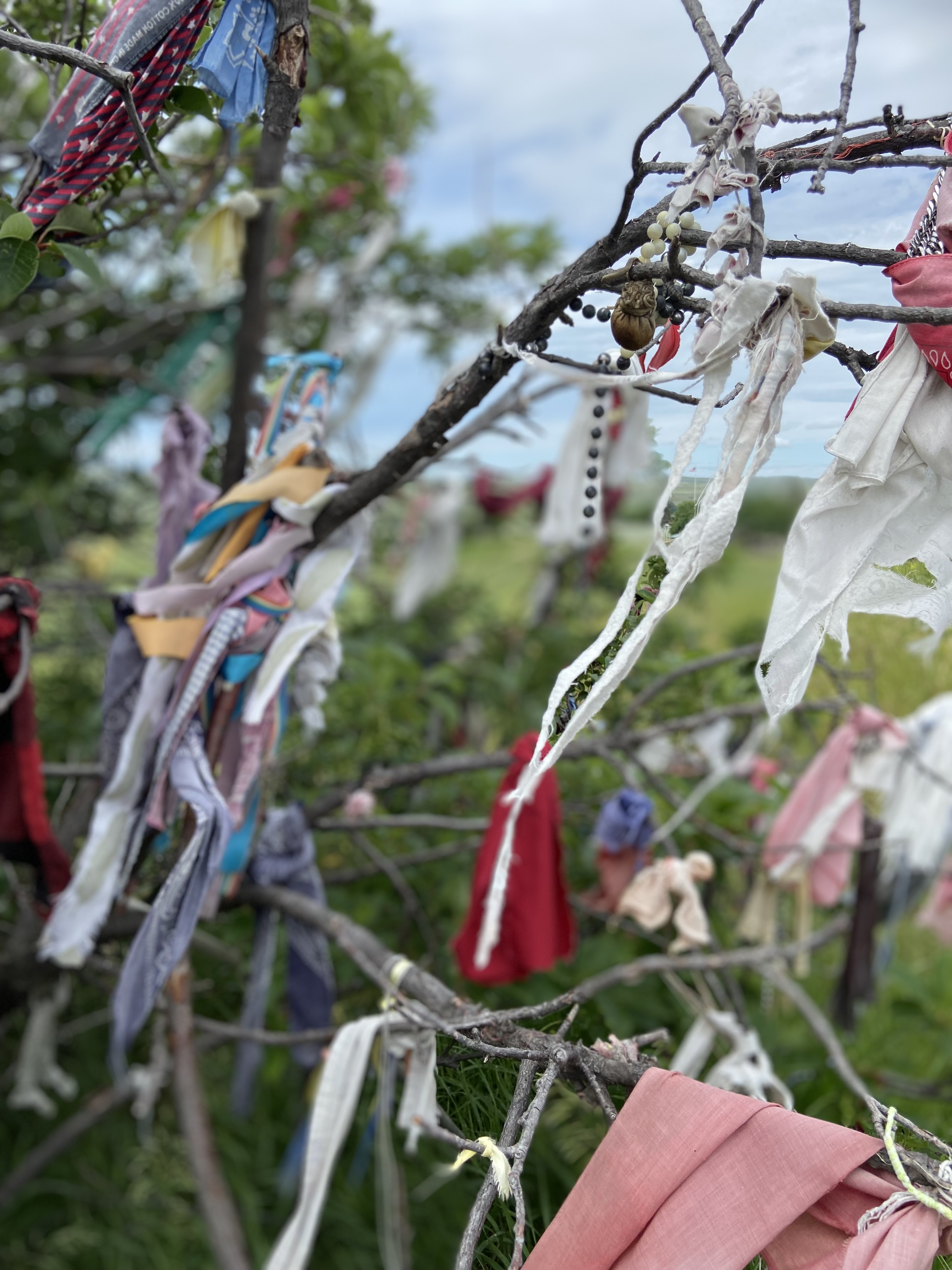
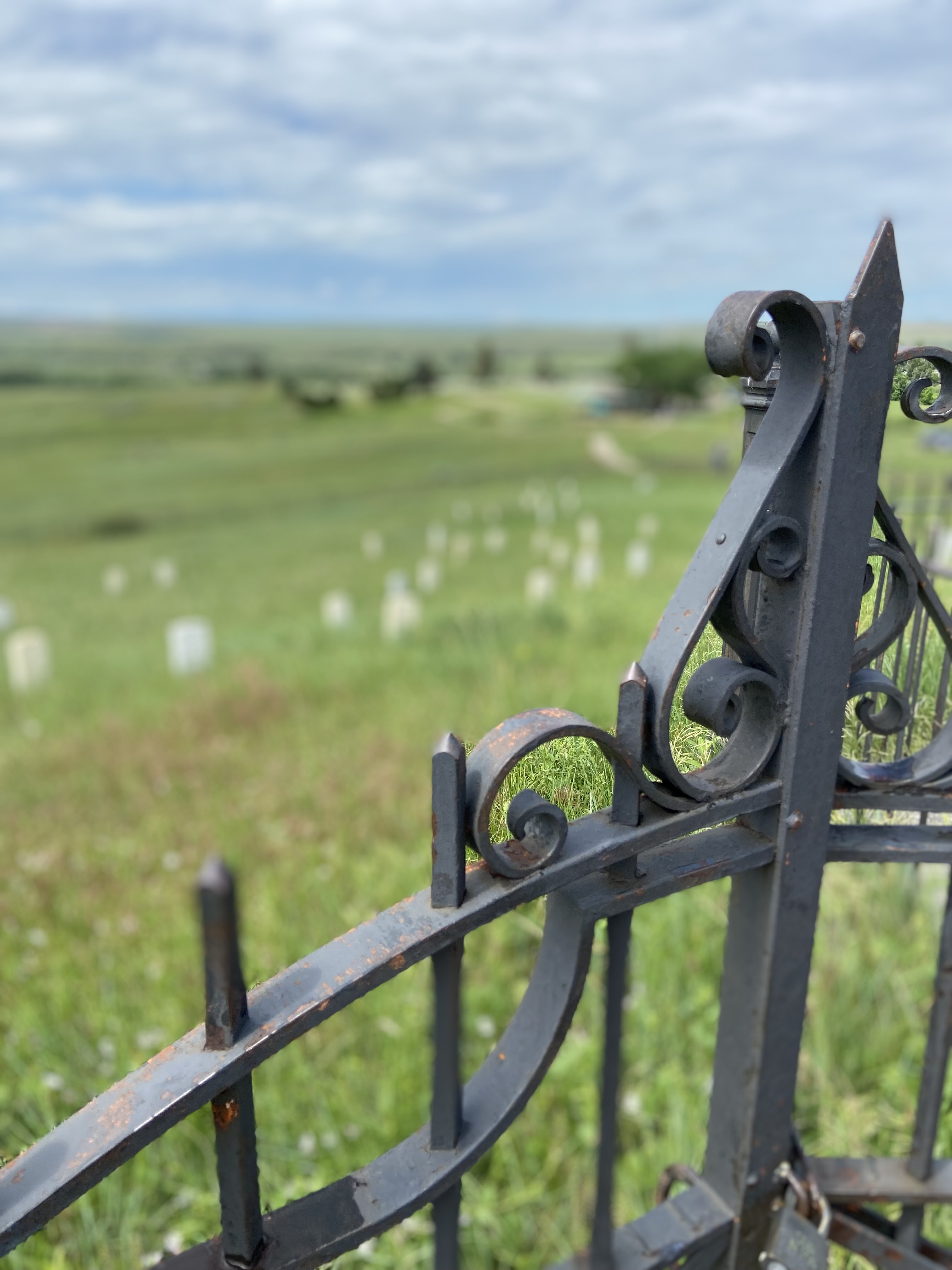
SIDE NOTE: Last but not least, I wanted to share a few pictures of our trip to Montana and this very special place, Little Big Horn National Monument, in the summer of 2022.